REVIEWS FROM THE COUCH
Samorost 1&2
Samorost 1&2
PUBLISHED
LAST UPDATE
18 September 2025
18 Settembre 2025
GAME INFO
Title: Samorost 1 - Samorost 2
Year: 2003 - 2006
Release Date: //
Developer Amanita Design
Publisher Amanita Design
Genre: Poin-and-Click
Tags: [coming soon]
ACCESSIBILITY
Input Keyboard + Mouse
Lingua: Multilanguage
Subtitles: //
Voci: //
ITA: ✓ - Interface
Trigger Warnings
Credits
going deep down
going deep down
Introduction
I have a long-standing, small love affair with Amanita's games, and even if you can't say they're all bestsellers, I believe they are gems that all point-and-click lovers should play at least once in their lives.
Samorost was the first one I played, a long, long time ago. I don't remember exactly when, but it probably happened sometime between 2007 and 2010, back when I used to browse websites and portals, binging on Flash point-and-click games, often with no name.
Steam was still young, if not directly in its embryonic stage.
I really wish I could remember what it was like the first time I played it, but it's really too far back in time and, apart from maybe some compatibility updates we can imagine, I don't really think anything has been changed. And I'm very happy about that.
Samorost 2 arrived in 2015, when I bought an Amanita bundle on Steam with Samorost 2, Botanicula, and Machinarium, and, considering that 10 years have passed, I don't remember much about that first experience either.
Consequently, Samorost 1 and 2, like many of the Amanita games I'll review in the future, are not a first run on paper, but sometimes they are in practice because I remember NOTHING from the first time ( ̄▽ ̄*)ゞ
Note: I decided to review Samorost 1 and 2 together because the first chapter is tiny and very old, it's very short and there's not much to say. The second one is a somewhat deeper and improved version of it, unlike the third one, which is a much more developed and longer game compared to both, which arrived 10 years after the second and is better to review separately.
Story
Ok!
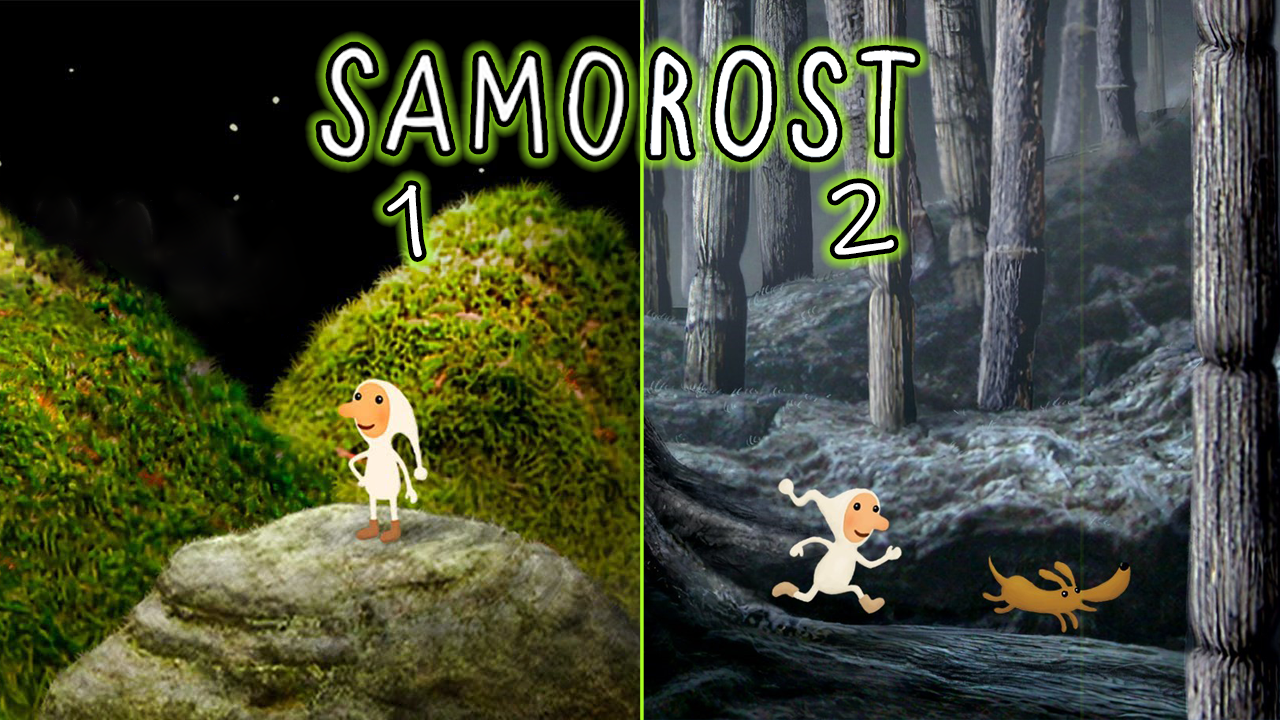
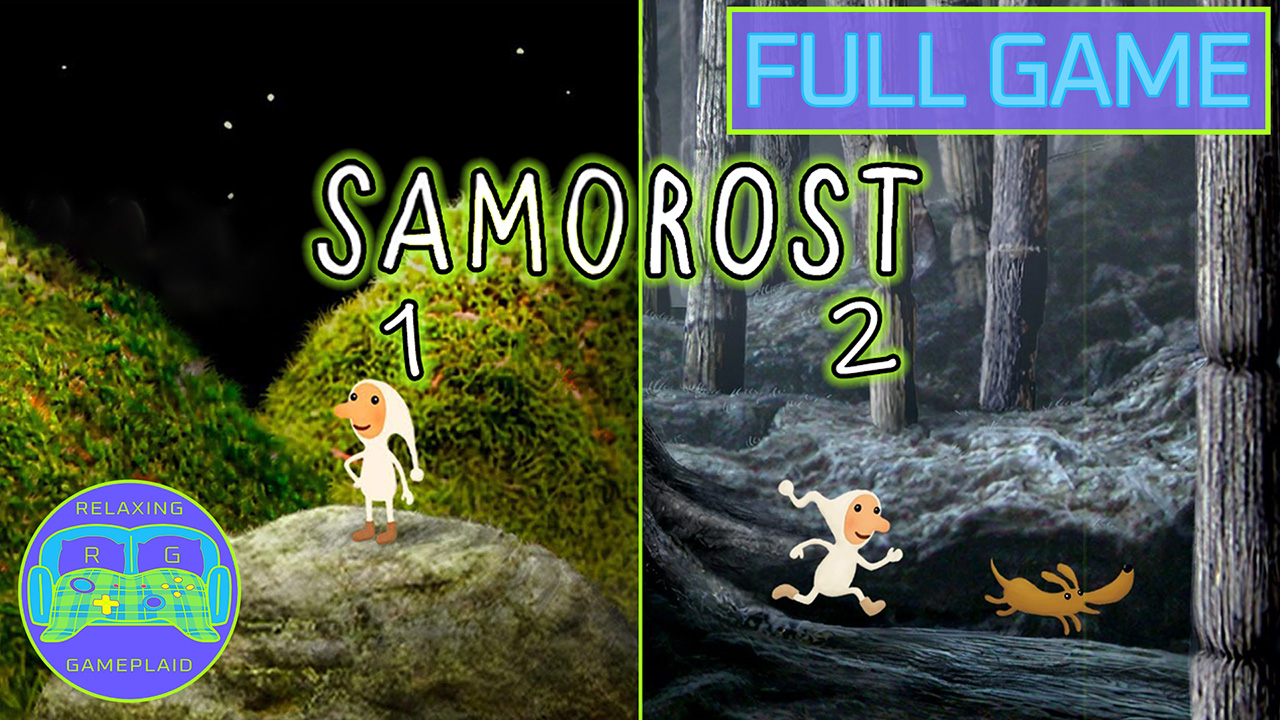
All three Samorost chapters are adorable mini space adventures involving a little gnome dressed in a white suit, who lives on a small planet and travels via a rocket (probably self-built :D).
These adventures are, in a sense, of increasing severity and commitment. In the first chapter, our little friend is faced with a massive spaceship on a dramatic collision course with his planet and must prevent its devastating impact. In the second chapter, a pair of aliens land in his yard looking for food and also kidnap his little dog, forcing him to quickly take off in his rocket to go and rescue him. In the third game, the threat is even bigger, but we'll talk about that in a dedicated review!
Visual Style
Ok!
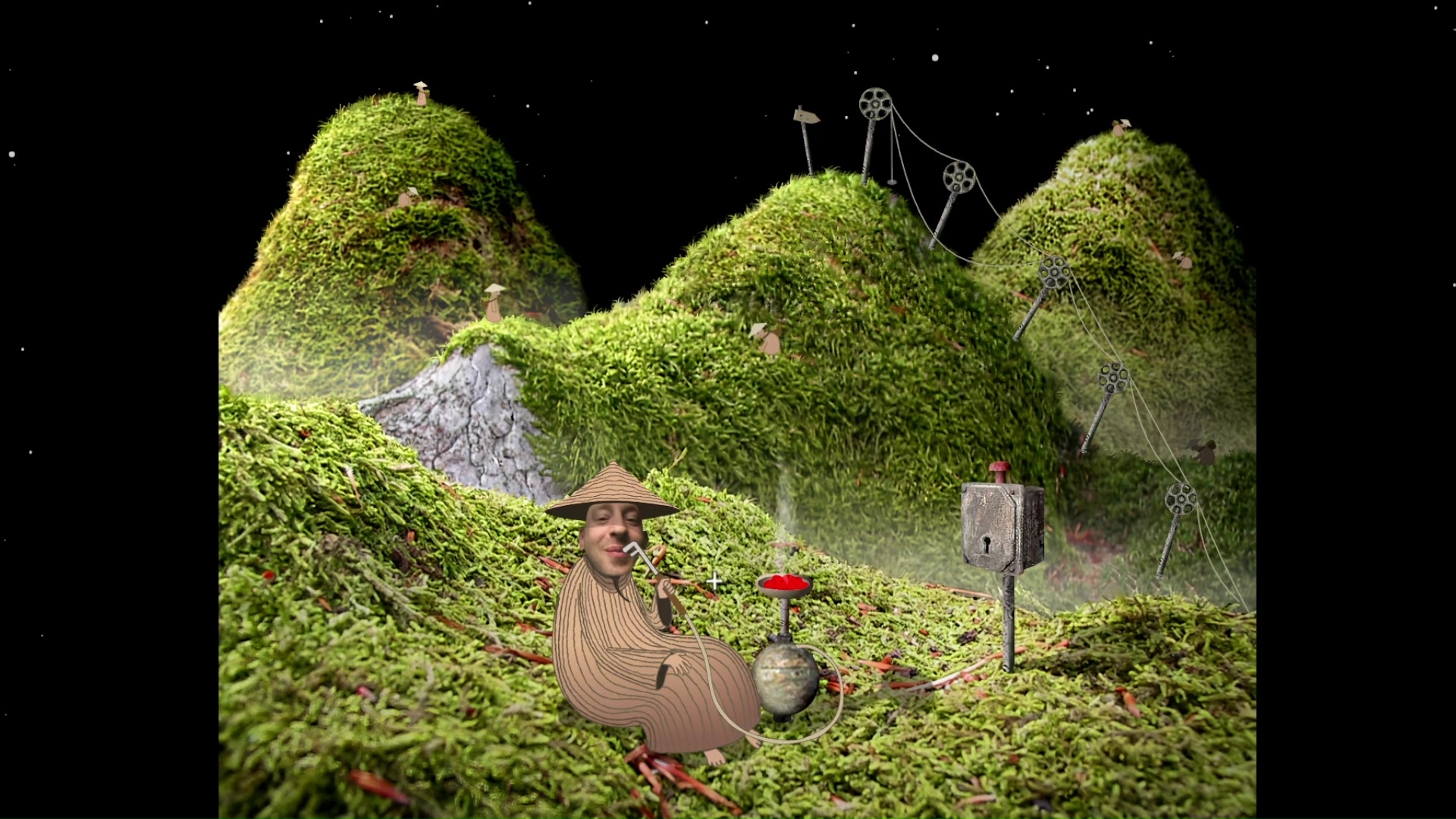
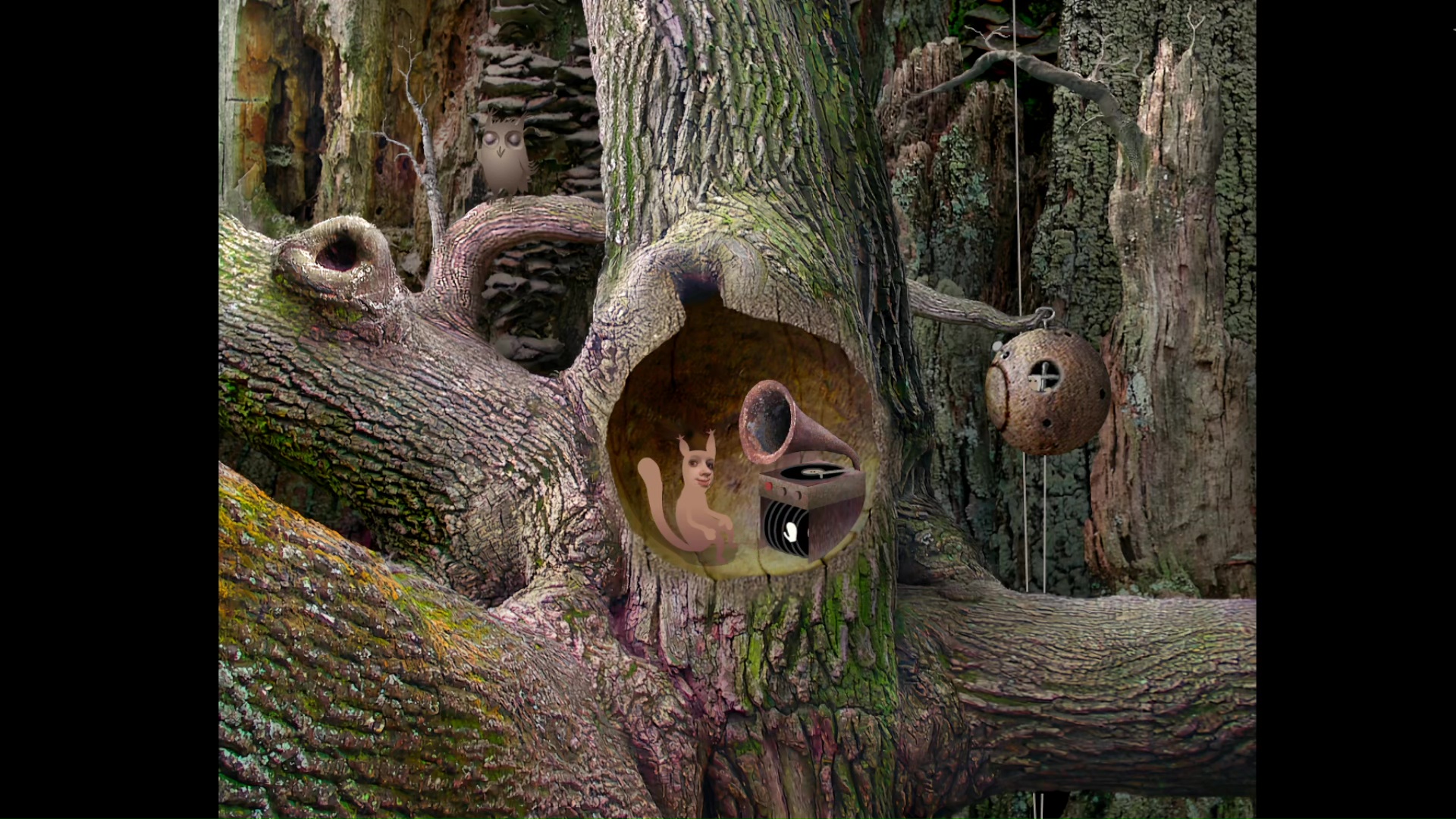
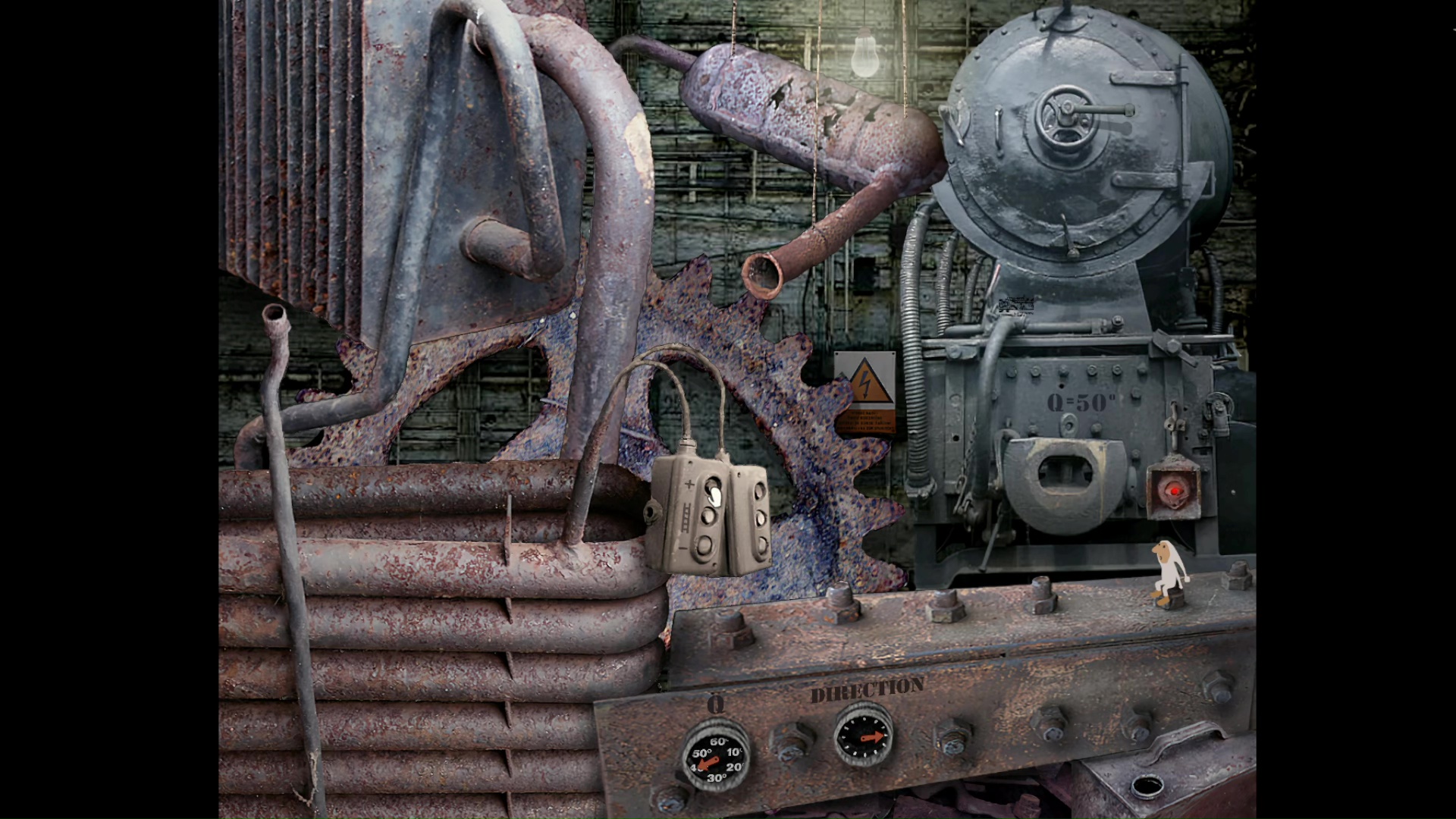
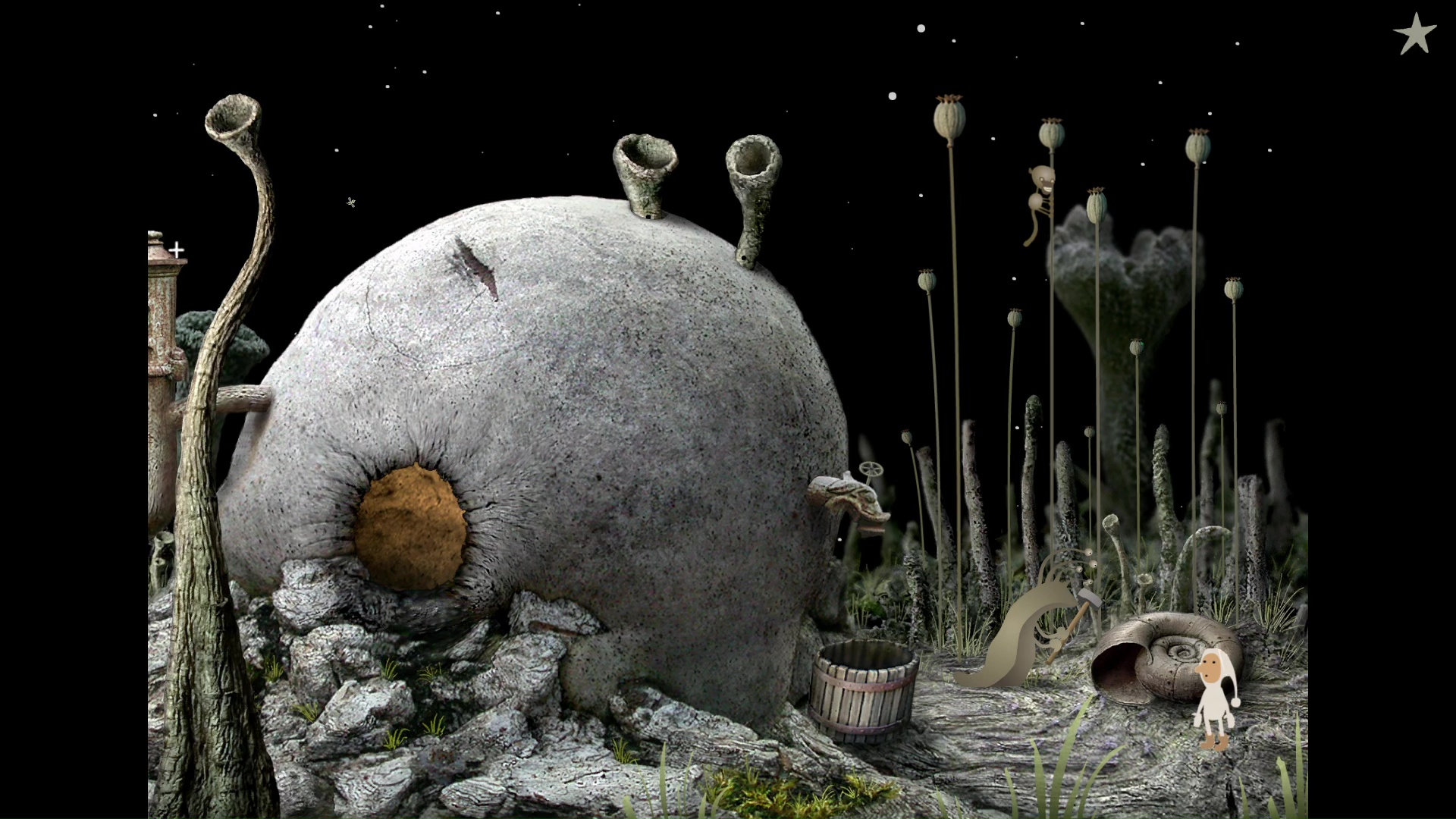
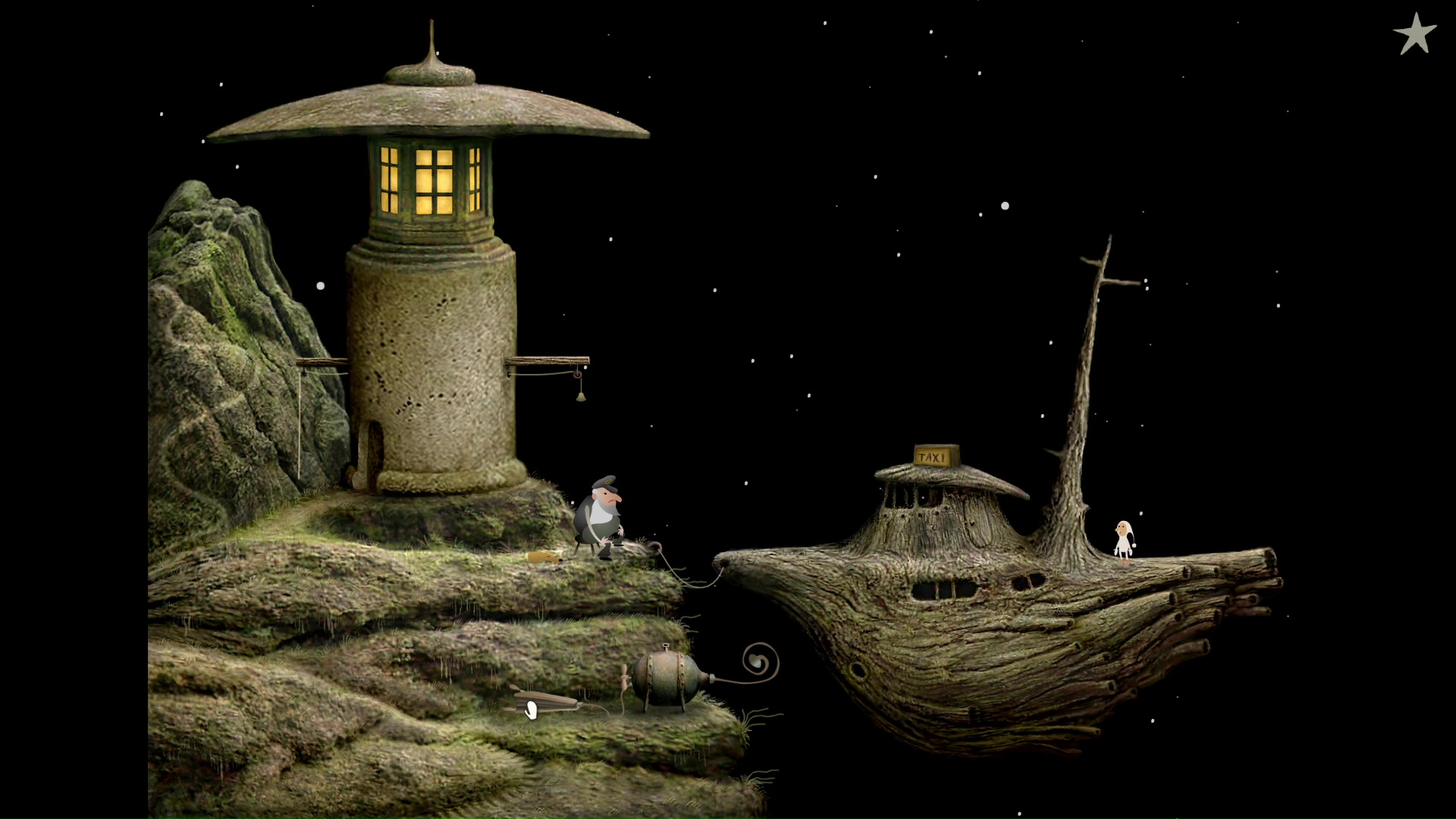
Peculiarità di Samorost è proprio la grafica, creata a partire da foto reali assemblate in fotomanipolazione.
All'epoca in cui è nato, in contrasto con la grafica del videogioco medio e soprattutto dei punta-e-clicca, l'effetto era davvero realistico ed immersivo, rimanendo però al contempo sufficientemente leggero.
Lo stile di Amanita è estremamente personale, ed i mondi surreali che creano sono credibili pieni di lore locale, in parte facilmente desumibile nonostante l'assenza di dialoghi. Sono giochi adatti a tutti, da giocare soli o in compagnia, anche con la famiglia.
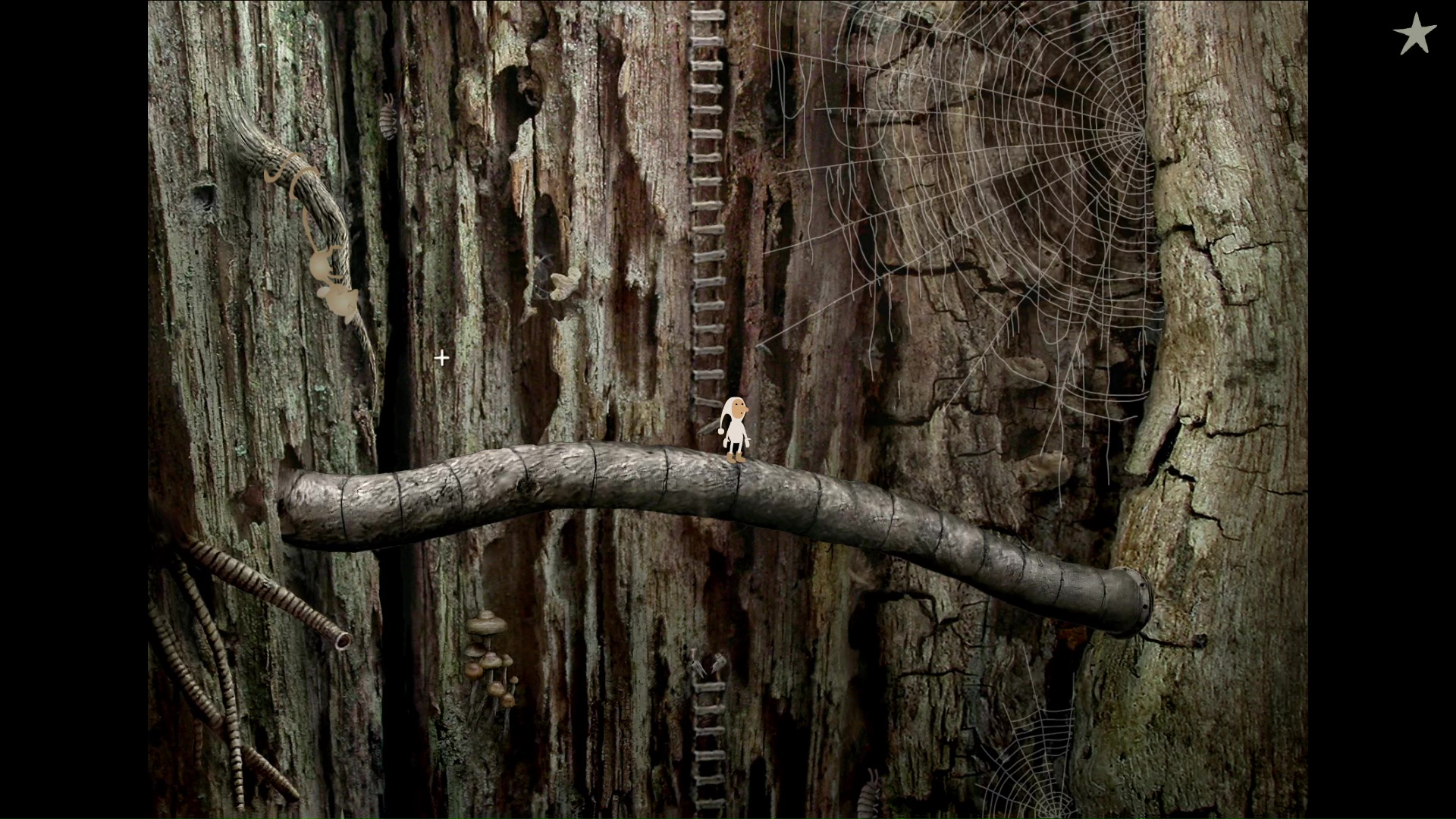
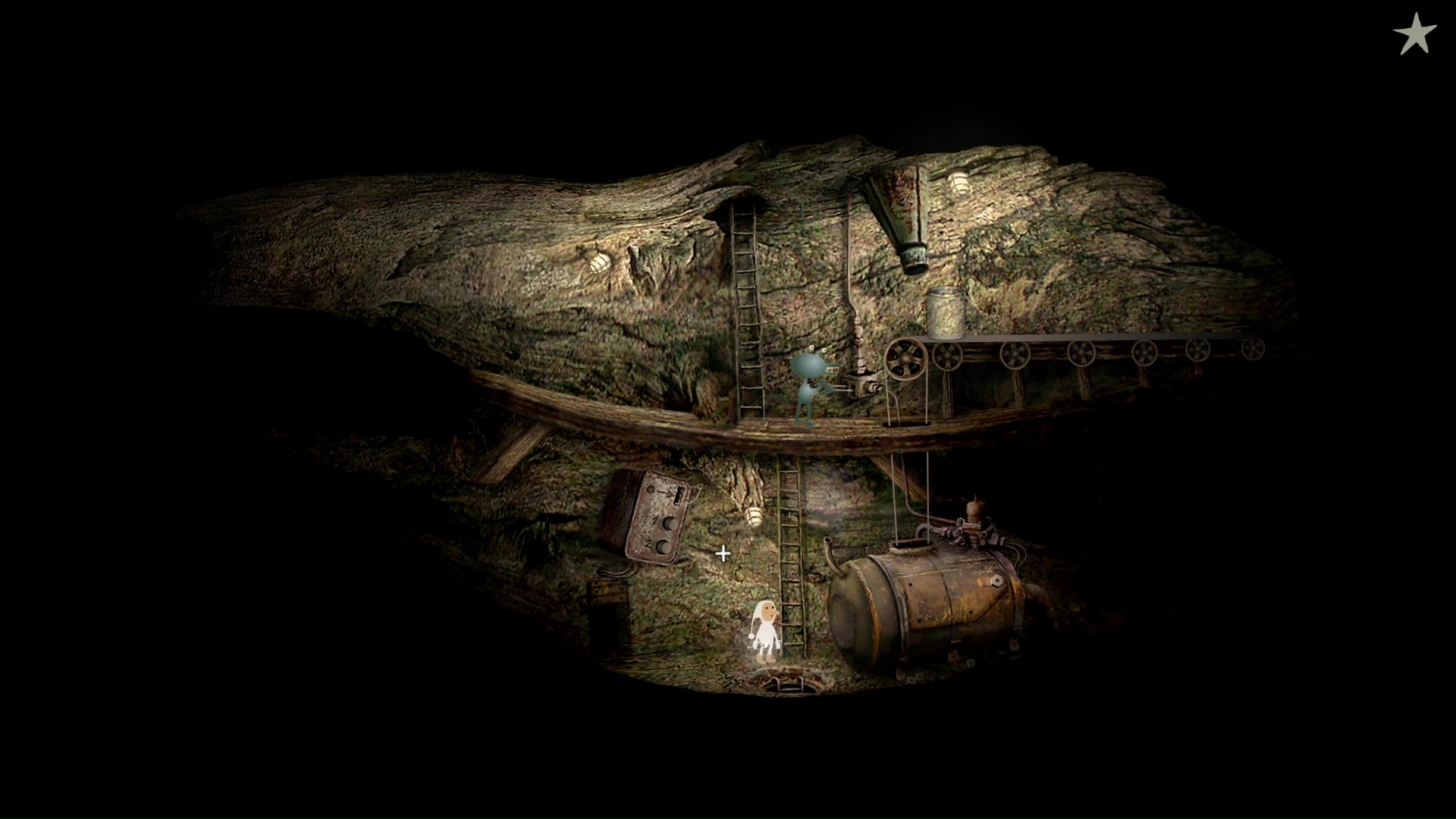
Although the use of real photos and traditional art in video games wasn't groundbreaking (we can remember, for example, Dragon's Lair, hand-animated, and Myst, which included the use of photographs), the massive use of photographs of very raw and basic objects and materials (barks, roots, leaves, moss, cans, and pots) and the subsequent assembly into photocollages to create landscapes, structures, and machinery was a novelty.
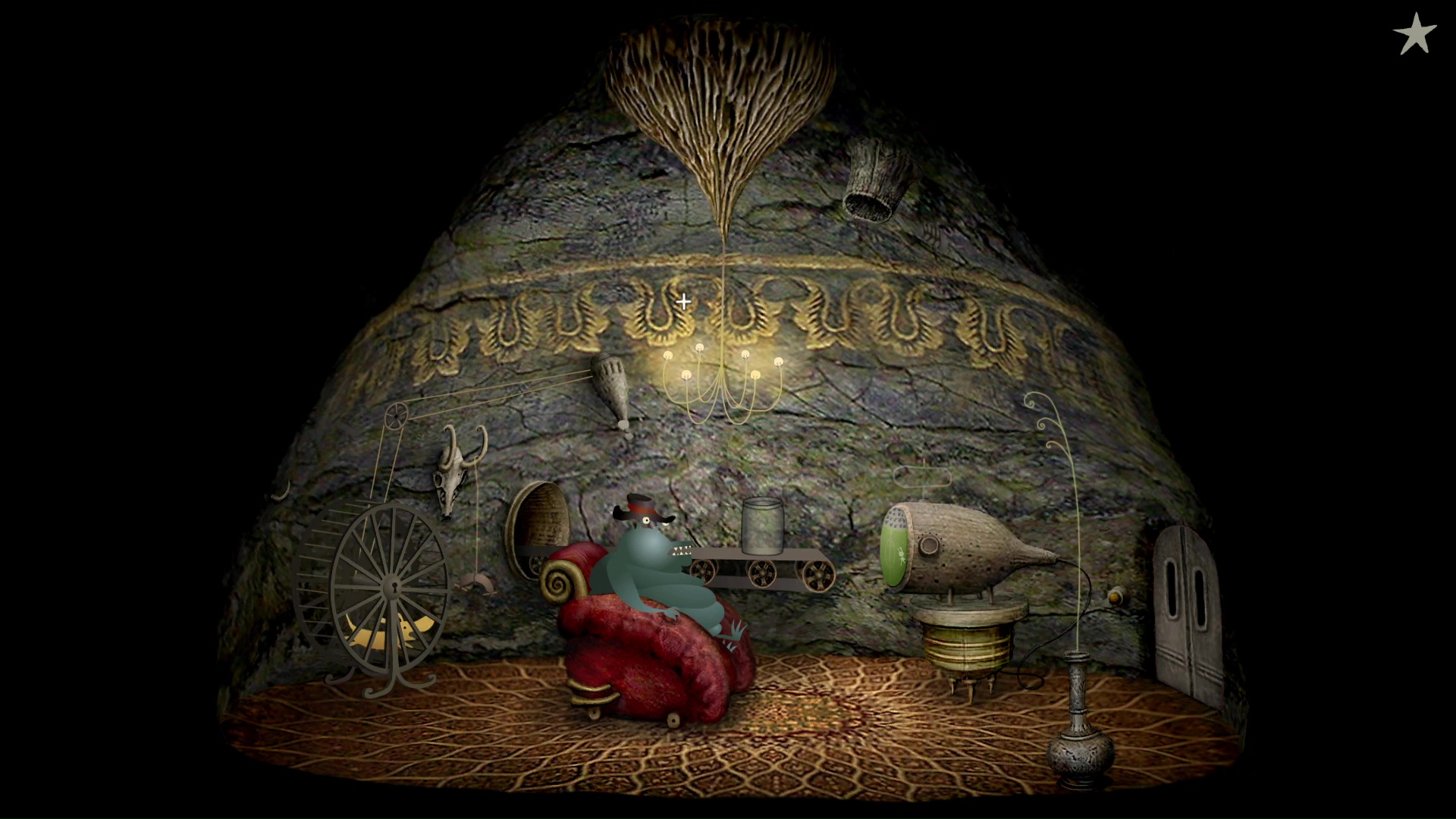
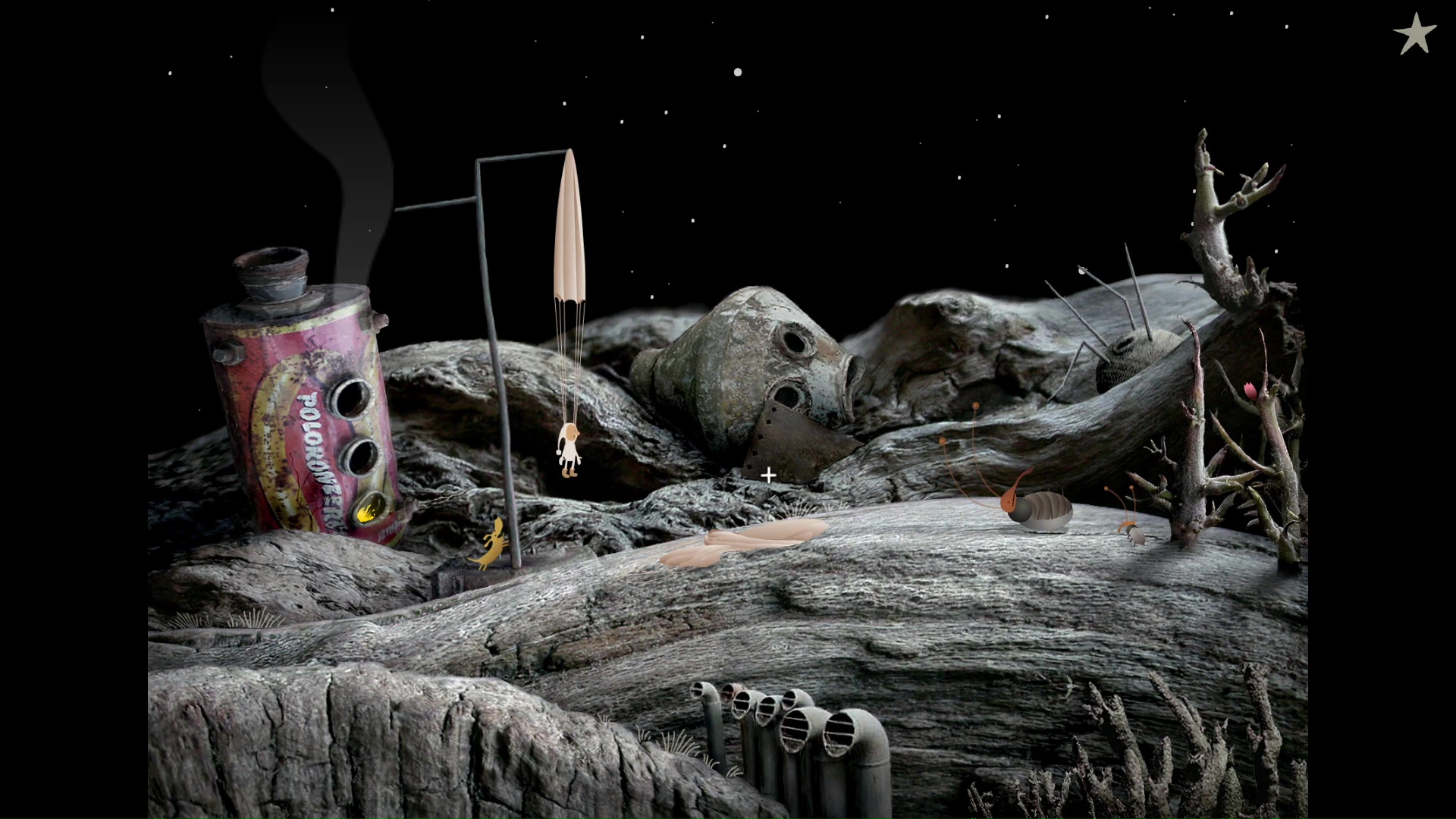
Moreover, the settings of Samorost do not pretend to be realistic; on the contrary, the world built in this way takes on an organic surrealism. Perfect for the alien landscapes it portrays.
What stands out most in this process are the textures, which have always been complex to achieve at a photorealistic level unless photos are used directly or rendered in 3D, and which here give the impression of having ended up in a nature documentary on another planet.
Sulle composizioni sono stati poi aggiunti lo gnomo protagonista e tutte le altre creature coinvolte, disegnate ed animate digitalmente in modo più convenzionale.
Questo tipo di grafica è comune a tutti e tre i capitoli di Samorost e trovo che sia stata la più giusta decisione che potevano prendere, dando così alla serie un look unico, originale e facilmente riconoscibile.
Samorost 1 received an update in 2021, the graphics were enhanced, music by Floex was added, and the sounds were remastered. Full-screen support was also added.
Samorost 2 was updated the year before, in 2020, for similar reasons. Specifically, from what I could find online (not everything might be accurate):
- Improved graphics
Full-screen support was added, and the graphics were enhanced for new widescreen formats. - Remastered audio
Audio and music have been remastered and the sound library expanded. - New save system
The old system, which required a cumbersome code entry to get to the current level, has been eliminated, and it now offers an automatic save system. - A "zoom" function was added
The zoom allows you to zoom in on backgrounds and details to better study the environment and find interaction points. - Revised interfaces
The in-game UI and menu have been revised with a more modern look and improved functionality. - Achievements
Achievements were added, which were missing. The game was first published in 2006 before Steam, and on Steam in 2009 but without revisions.
Game Mechanics
Ok!
The mechanics of Samorost, like most of Amanita's games, are typical of classic point-and-click adventures. You play with a keyboard and mouse, and our job is to click, as per tradition, on anything that moves or stays curiously still to find the next step.
In both games, the dynamics are identical: you discover clues, trigger cause-and-effect events, peek inside boxes and crevices, and activate levers and buttons.
There is no inventory, nor are there mechanics for picking up and combining two or more objects. The main goal, which is much more consolidated in the second chapter, is to find or create the right sequence of actions to overcome the current obstacle (e.g., getting past a broken bridge) or to reach a certain goal (e.g., retrieving an object). Of course, as is typical of a large part of point-and-click games, you must create a chain of events, where each action causes a consequence that allows you to move forward a little more.
Neither of the two games has a manual save system: the first one doesn't need it, while the second one has a convenient automatic save system and a chapter summary section that allows you to jump from one completed chapter to another if needed, but the game itself automatically resumes more or less from where you left off.
Soundtrack
Ok!
Originally, Samorost 1 had a different audio and, I assume, musical component from the original project (which, as we mentioned above, dates back to XX's university days). In 2021, the year it was published on Steam, it underwent a major update that included music by Floex (Tomáš Dvořák), a musician and composer who is a long-time collaborator with Amanita and has been involved in many of their works.
The sound design is extensive and varied, with a general feel that is light, fun, and at times comical. The sounds are reminiscent of the world of animation, which pairs well with the daring adventures and the little protagonist, who, as mentioned earlier, doesn't speak and only makes noises.
The music is pleasant and complements the overall atmosphere well, providing the right accompaniment for the individual adventures. It stays nicely in the background without ever becoming truly negligible, and you never forget its presence. I must say, it really sets the mood, preventing the vibes from descending into anything that isn't lighthearted.
Other
Length: Samorost 1 lasts about 15 minutes. Samorost 2 took me about 1 hour and 15 minutes. 100% completion is automatic.
Performance: These are very light games; I encountered no issues.
Bugs: no bugs crawled out!
Notes
No note here!
My Thoughts
Ok!
If we must state the obvious, it's important to point out that Samorost 1 is an extremely short and limited work by today's standards, even in terms of free games and/or projects developed in an academic setting (which Samorost 1 essentially is). Twenty-something years ago, however, it was average for the small games that were released for free, especially if they were in Flash (on sites like Newgrounds and Kongregate, for example).
It should therefore be taken for what it is and nothing more: a historical mini-game that you can enjoy for free, literally a cornerstone of Amanita's work.
Samorost 2, on the other hand, is the gateway into the world of Amanita, the first proper video game that defined and, most importantly, cemented the main style and characteristics, such as the surrealism, the natural and organic but completely alien environments, as well as the creatures that inhabit them.
It is also a game that can be considered short, taking about 1-2 hours depending on the player, but it is certainly relaxing and highly enjoyable, suitable for all ages and to be played with the family.
A notable point of merit is the quality updates that Amanita invested time in, despite the games' age. These not only concern the ability to continue playing them and full-screen support (especially with the arrival of widescreen formats) but also and above all the audio remastering and graphical improvements.
A side note: the achievements in Samorost 2 are automatic, and you unlock one per zone with normal game progress.
Related Articles
If there was something I wanted to discuss more deeply, it's here!
No related article here
(perhaps "not yet"!) : D
In Pills
In Pills
Recap
YASS
- The first is the cornerstone of Amanita Design and it's FREE
The "photographic" graphics are spectacular!
Adorable music and sound design
Two gems that are a must-have in any point-and-click lover's repertoire
Automatic save!
SO-SO
They are both 20 or more years old
- They are very short
- Achievements are automatic
Relax-O-Meter
- = to be taken into consideration
- = not a problem but it's annoying to some
- = minor bug/glitch or issue
- = serious bug/glitch or issue
Gallery
Gallery